Your braking system is the single most critical safety feature in your vehicle. While modern brakes are engineered for durability, friction and heat cause normal wear over time. Ignoring the early indicators of brake degradation can turn a standard pad replacement into an expensive rotor, caliper, or hydraulic system overhaul.
1. Squealing or Screeching Noises
Most modern brake pads come equipped with built-in metal wear indicators. When the pad material wears down to a thin layer, this metal tab contacts the spinning rotor, producing a high-pitched squeal. If you hear this sound consistently when applying pressure to the pedal, schedule an inspection promptly.
2. Grinding or Harsh Metallic Sounds
If the squeal turns into a deep, metal-on-metal grinding noise, the friction material has worn away completely. At this point, the steel backing plate of the pad is grinding directly against the rotor. This damages the rotor surface, reduces stopping power significantly, and requires immediate repair.
3. Vibrations or Pulsations Through the Pedal
A pulsating brake pedal or steering wheel shudder under braking usually indicates warped brake rotors. Heavy braking cycles generate intense thermal stress that can cause uneven rotor thickness. Resurfacing or replacing the rotors is necessary to restore smooth, consistent contact.
4. Soft, Spongy, or Sinking Pedal Feel
If your brake pedal travels further than usual or feels spongy underfoot, there may be air trapped in the brake lines, degraded brake fluid, or a failing master cylinder. Brake fluid is hygroscopic—meaning it absorbs atmospheric moisture over time—which lowers its boiling point and reduces hydraulic pressure.
5. Vehicle Pulling to One Side
When a vehicle pulls left or right during braking, it often points to a seized caliper piston, uneven pad wear, or a collapsed brake hose. This creates uneven braking force across the axle, compromising stability during emergency stops.
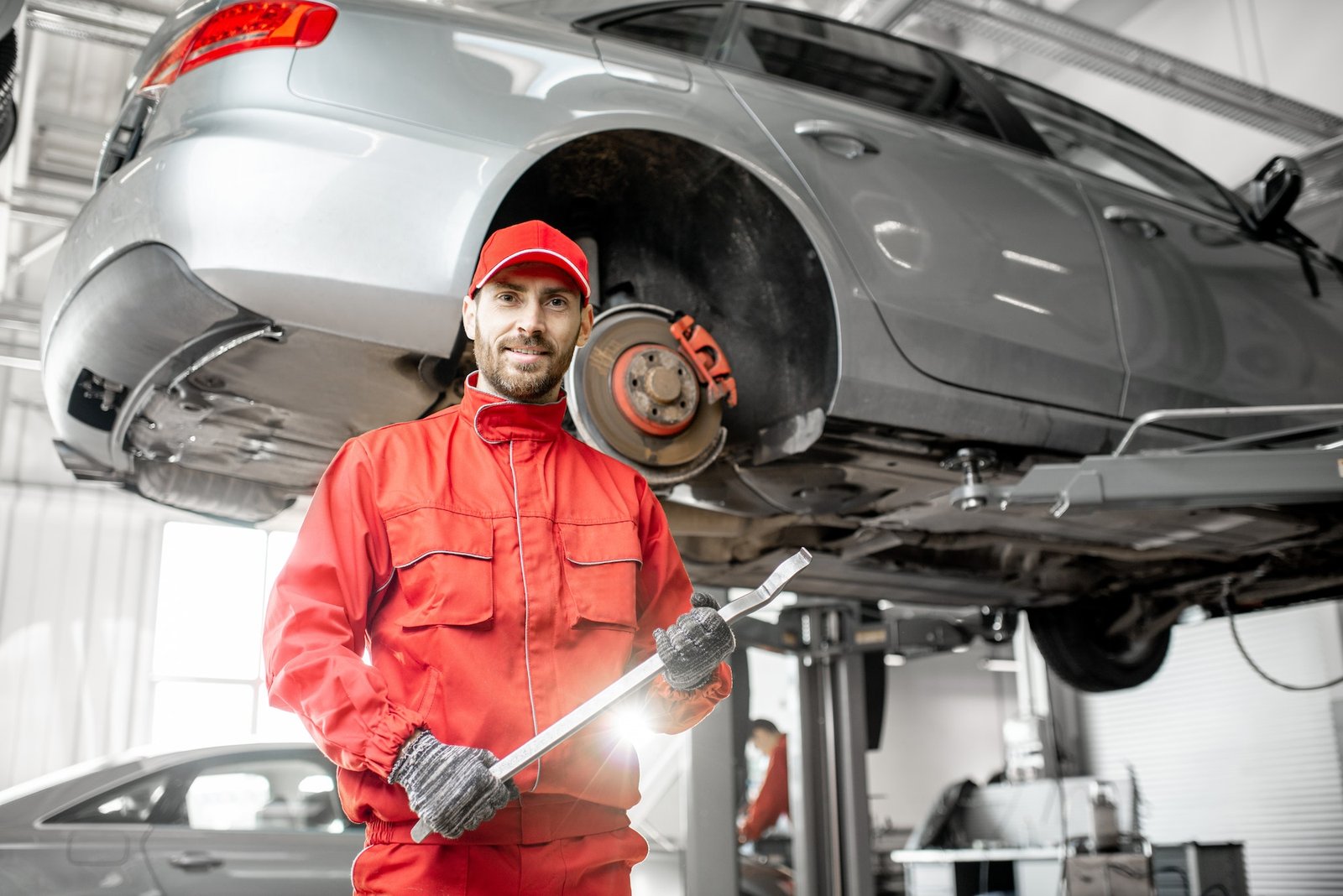
Regular inspections during routine oil changes and tire rotations help detect pad and rotor wear before performance degrades. At Master Torque Garage, our technicians measure friction material depth, test fluid moisture levels, and inspect hydraulic lines to keep your braking performance sharp and dependable.